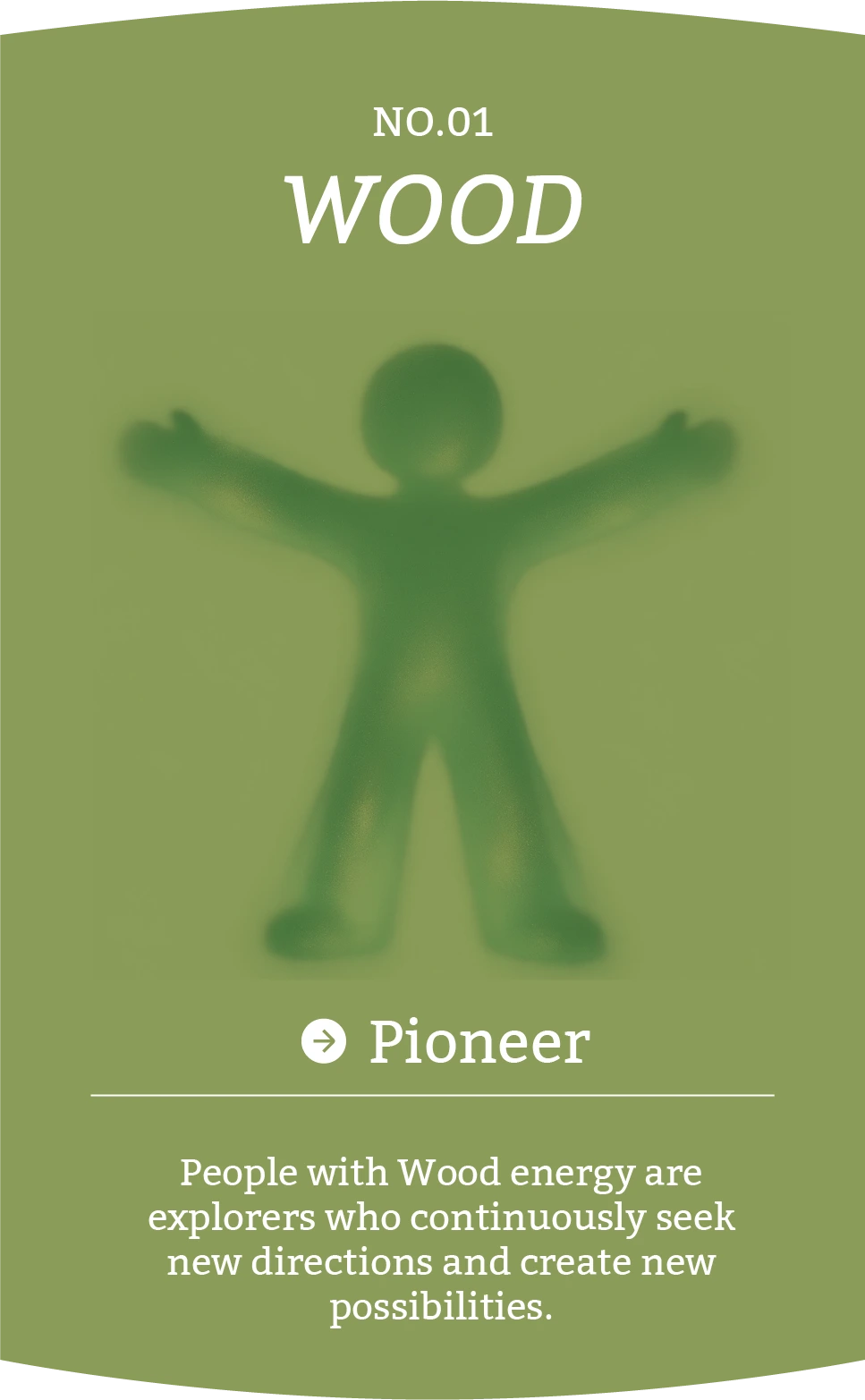
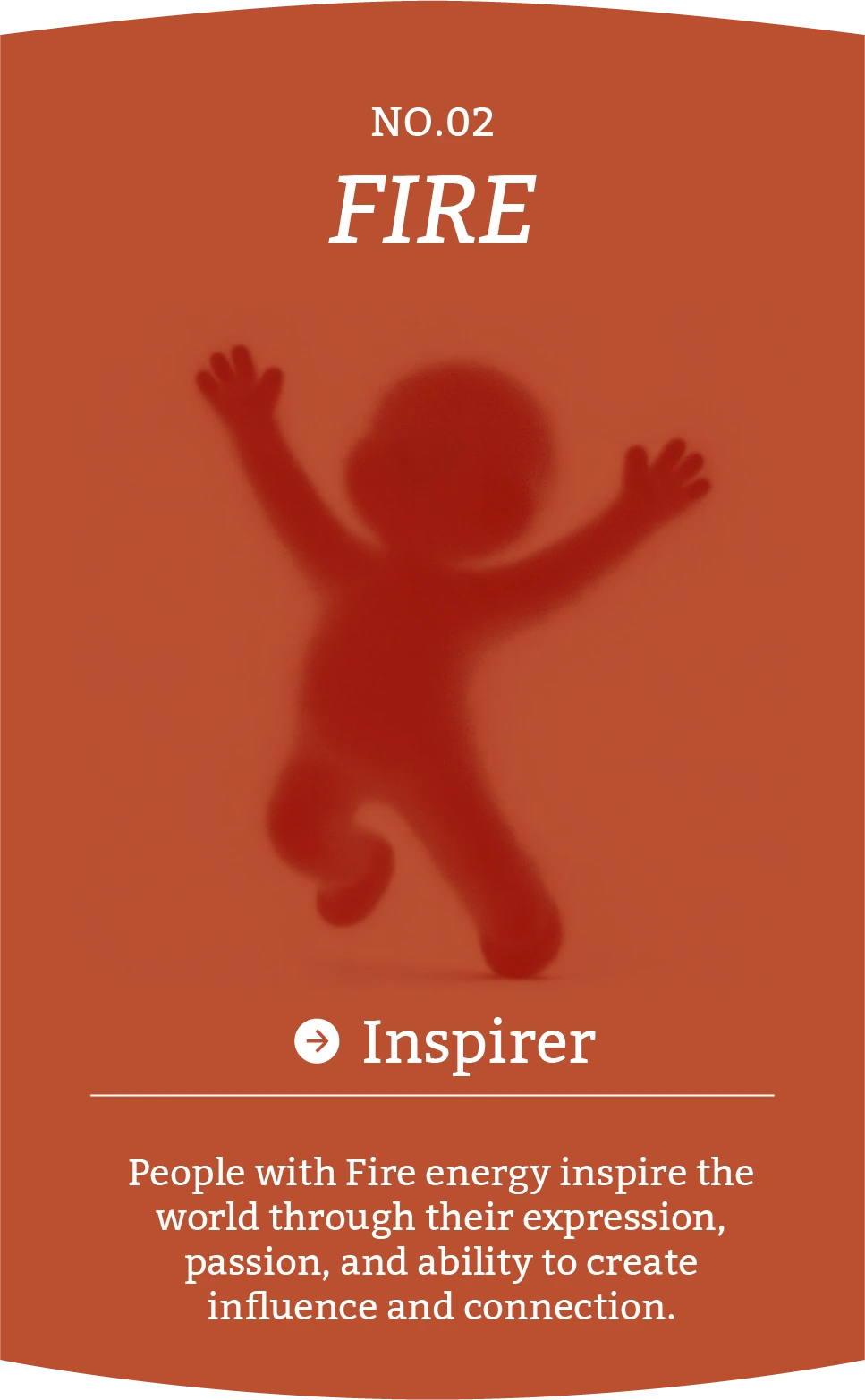
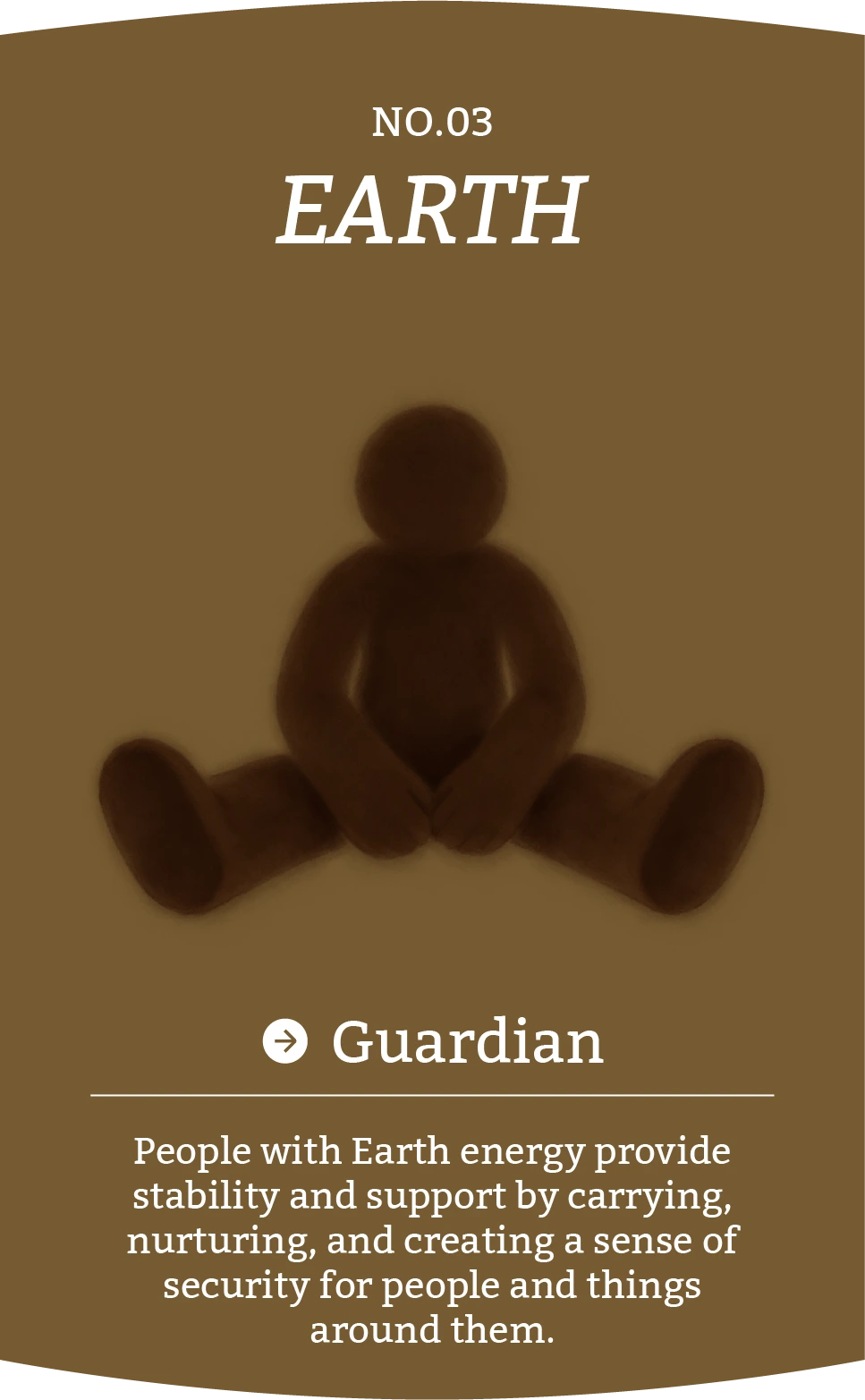
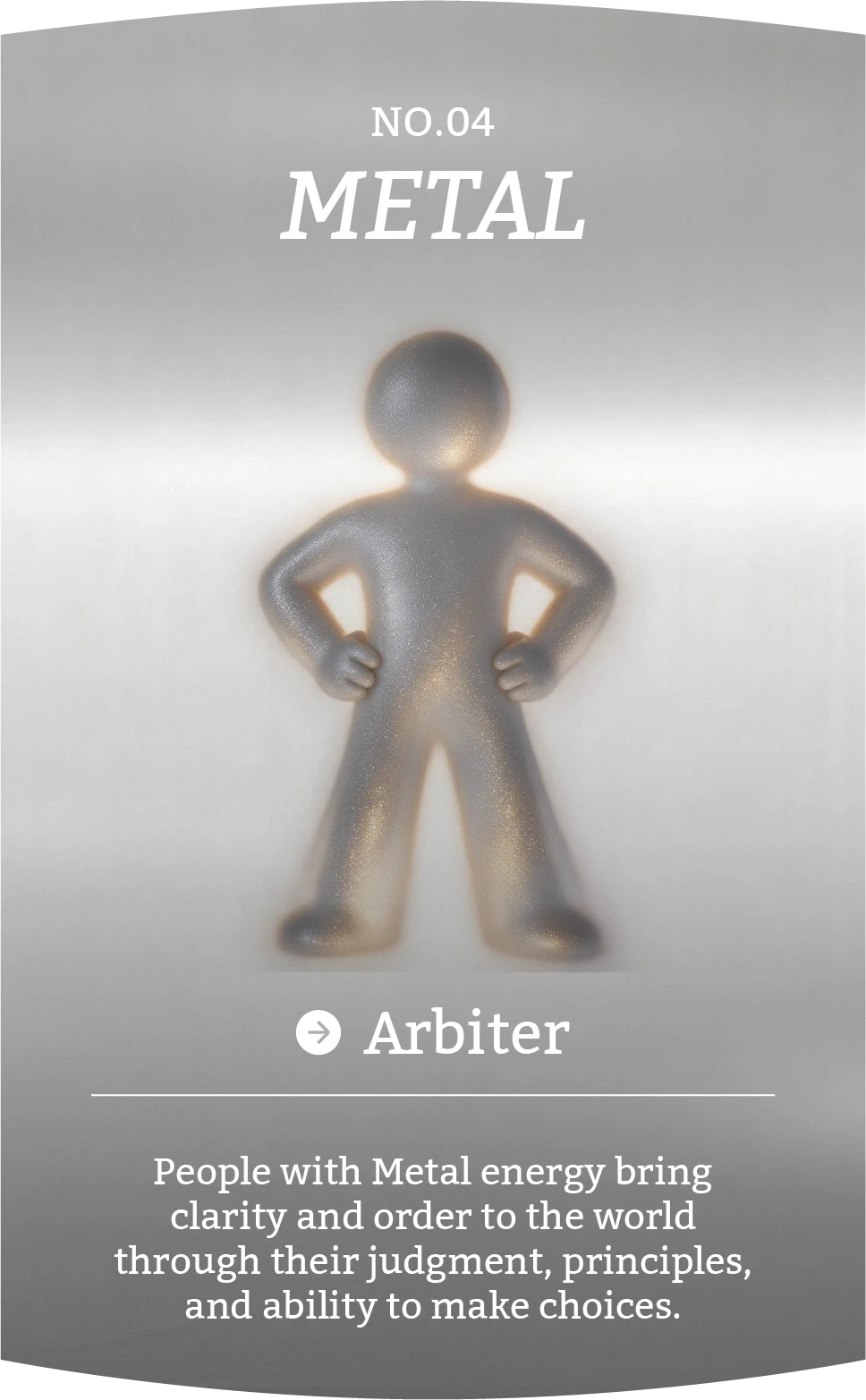
More than 3,600 years ago, ancient Chinese thinkers developed a unique way of understanding the world. They believed that the changes and movements of everything in the universe could be understood through five basic patterns. This way of thinking became known as the Five Elements in traditional Chinese philosophy.
Over more than 3,600 years of study and development, the Five Elements gradually grew into a vast and detailed system. Wood, Fire, Earth, Metal, and Water are five interconnected forces. They interact, influence one another, and transform into different forms. Through different combinations and arrangements, they give rise to 1,123,200 unique combinations. Human beings are also part of this system, and each combination is associated with a distinct pattern of human characteristics.
By studying how these different combinations interact, the Five Elements offer a different way of understanding human nature. Rather than focusing only on surface-level personality traits, this approach goes deeper, exploring a person's natural gifts, inner qualities, and the deeper patterns that shape their life and behavior.
It is not just about knowing what kind of person you are. It is about understanding why you think, feel, and act the way you do, and discovering the unique qualities that make you who you are.
The Five Elements vs. The Four Elements
The Chinese Five Elements and the traditional Western Four Elements come from very different ways of understanding the world.
In Western philosophy, the Four Elements - Earth, Water, Fire, and Air - were used to explain what the world is made of. The central question is:
What is everything made of?
The Chinese Five Elements, however, do not describe five physical substances. Instead, they represent five basic patterns of how everything in the universe moves, develops, and changes.
Their central question is:
How does the world grow, change, move, and transform?
This is what makes the Five Elements unique. Rather than placing things into fixed categories, the system looks at the world from the perspective of constant change and interaction, seeking to understand the patterns behind how everything works and develops.